One of Thoughtbot's original co-founders has been building software at The Gnar for almost eight years. That's usually not how a comparison post starts. Most of these pages pretend the two companies exist in separate universes, then run through a feature checklist designed to make one look better. I'd rather be honest about it. We're more similar than we are different. We're both based in Boston. We share technical DNA. The people who shaped Thoughtbot's early engineering culture helped shape ours.
So why would someone look for an alternative?
Not because Thoughtbot is bad. They're not. Their open source contributions alone have made the Rails ecosystem better for everyone:
- FactoryBot, Bourbon, Clearance: If you've built a Rails app in the last decade, you've probably used something they created.
- Giant Robots podcast: One of the longest-running shows in the space.
- Their blog: A go-to resource for developers for years.
They've earned the reputation.
But "earned reputation" and "right fit for your project" aren't the same thing. And if you're reading this, you're probably trying to figure out which one matters more for what you're building right now.
Where We Came From
The Gnar is a Thoughtbot alternative built on shared technical DNA— both companies were founded by software engineers and one of Thoughtbot's original co-founders has been building software here for almost eight years. We're both Boston-based Rails consultancies with a commitment to code quality, but we've evolved different models for pricing, process, and post-delivery support.
Thoughtbot helped define what a high-quality consultancy looks like. That's not flattery. It's just true. When we started The Gnar over a decade ago, the bar they set was part of what we were building against.
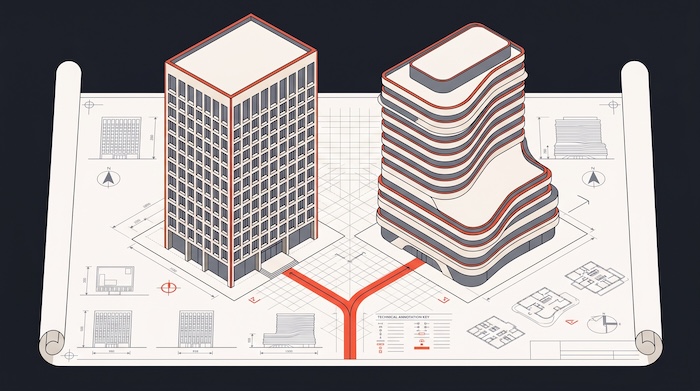
We've now been at this for over 10 years. Over 100 projects. More than $50 million in software delivered. An experienced, fully US-based team. We grew up in the same neighborhood. We just built a different house.
Where We Diverge
There are three places where the difference actually matters to the person writing the check.
1. Adaptive Over Prescriptive
Thoughtbot has a well-documented, opinionated process. That's a strength for teams that want a clear playbook handed to them. It's clean, repeatable, and for certain projects it's exactly right.
But some projects don't fit a prescribed playbook. The client has existing systems. Internal stakeholders with context that matters. Constraints that only show up once you're inside the problem. What they need isn't a process to follow. They need a partner who listens first and adapts.
That's where we spend most of our time. We're less dogmatic about how we get there and more obsessive about whether we actually get there. Our process flexes to fit the project, not the other way around.
I realize "we're flexible" is the most generic thing an agency can say. So let me be specific.
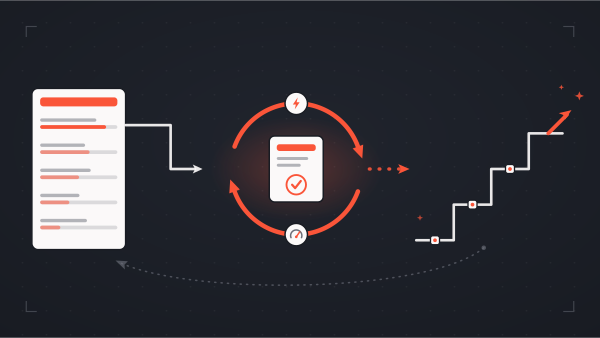
We built a delivery model called Context-Driven Development:
- Deep discovery first: We map the terrain and identify risks before a single line of code gets written.
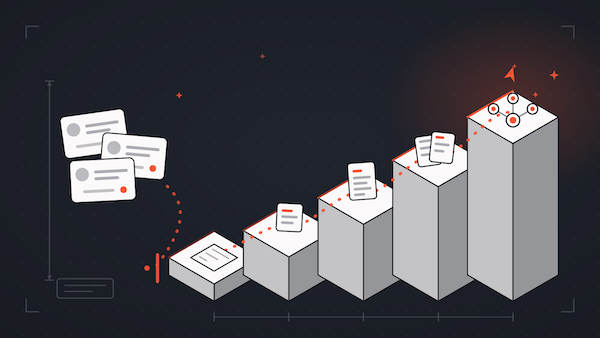
- Milestone planning: Grounded in what we actually found, not what a template assumes.
- Consistent team: The same people from start to finish. No bait-and-switch. No rotating cast.
2. Guaranteed Pricing, Not Time and Materials
This is the one that changes the conversation.
Thoughtbot, like most agencies, typically works on a time and materials basis. You pay for hours. If the project takes longer than estimated, you pay more. That's standard in the industry, and I'm not saying it's wrong. But it means the client carries the budget risk. For a lot of the executives we talk to, especially ones who've been through a project that ran over budget, that's the thing keeping them up at night.
We price by milestone, and we guarantee it. Before the build starts, you know what each phase costs. If it runs over, that's on us. Not you.
This isn't a marketing gimmick. It changes the incentive structure. When the agency absorbs the risk, they plan more carefully and scope more honestly. The guarantee forces discipline on our side and gives clients something they almost never get: certainty.
We call it the Triple Guarantee:
- Price Guarantee: Milestone-based pricing. If we run over, we absorb the cost.
- Outcome Guarantee: The project will work as expected.
- 12-Month Bug-Free Warranty: If anything we built doesn't conform to spec within a year, we fix it. No charge.
I know, it sounds aggressive. It works because we do the planning work up front that most agencies skip.
3. A Warranty That Actually Means Something
The warranty deserves its own section because it's the thing that resonates most when people are comparing agencies.
Twelve months. Bug-free. If the code doesn't work as specified, we fix it at no cost.
Most agencies won't even have this conversation. The industry standard is: the project is done, here's your code, good luck. If something breaks in month three, that's a new engagement. New SOW. New invoice.
We think that's backwards. If you hire a contractor to renovate your kitchen and the cabinet doors fall off six months later, you don't expect to pay again for the fix. Software should work the same way. When you deliver something, you should stand behind it.
The warranty exists because we're confident in the work. And that confidence comes from the planning, the experienced team, and the milestone structure that catches problems before they ship.
Side by Side
For the comparison shoppers (I get it, I'd do the same thing):
I'm not going to pretend every row favors us. Thoughtbot has been around longer. They've done more projects. They have a bigger brand. Those things matter, and if stability and brand recognition are your top criteria, they're a safe pick.
But if your top criteria are cost certainty, flexibility, and a team that guarantees the work after delivery, that's where the conversation shifts.
When Thoughtbot Might Be the Better Fit
I mean this genuinely.
If you want a very structured design sprint process with a proven playbook refined over two decades, Thoughtbot is good at that. If you need a larger team, they have more bench depth. If you're a developer choosing a consultancy for pair programming or coaching, their open source pedigree and training programs are hard to beat.
Not every project needs what we offer. Some teams want the playbook. Some projects are scoped tightly enough that T&M works fine. If you know exactly what you need and the scope won't change, the pricing model matters less.
When Gnar Is the Better Fit
You've been through a build that went sideways:
- The budget ballooned beyond the original estimate
- The "senior team" from the pitch got replaced by juniors two months in
- The final product technically worked but felt held together with tape
You're not looking for the biggest agency or the most famous one. You're looking for the one that will actually stand behind the work.
Or you're a non-technical executive evaluating agencies for the first time and the whole process feels opaque. You want someone who will explain the plan, guarantee the price, and give you a warranty so you're not left holding the bag if something breaks after launch.
Or you're building something that involves AI. Most agencies in 2026 have added AI to the pitch. Fewer have changed how they actually build.
Context-Driven Development runs AI with the full context of your codebase and product requirements, not just the current ticket. We've been shipping AI-powered products long enough to know what holds in production and what falls apart six months after launch.
Those are the conversations where we tend to win. Not because we pitch harder. Because the model is built for people who've learned the hard way that the cheapest bid and the most impressive pitch deck don't predict the outcome.
How to Decide
If you're comparing custom software agencies, you're already asking the right question. Most people don't compare. They go with whoever their friend recommended or whoever shows up first on Google. The fact that you're doing the research means you've probably been burned before, or you're smart enough to want to avoid it.
If you want to see what a guaranteed engagement looks like before committing to a full build, our Ideate discovery starts at $15K. You'll walk away with a product requirements doc, a milestone plan, and guaranteed pricing for the build phase. No commitment to continue. If we're not the right fit, you'll still have a plan you can take to any team.
If you just want to talk it through, I'm easy to find.
My honest advice: talk to both. Talk to Thoughtbot. Talk to us. Ask about pricing structure. Ask what happens when scope changes. Ask if they'll guarantee the work after delivery. The answers will tell you everything you need to know.

Mike is Co-Founder of The Gnar Company, a Boston-based software development agency where he leads project delivery for clients like Whoop, Kolide (acquired by 1Password), LevelUp (acquired by GrubHub), Qeepsake (feaured on Shark Tank), and AARP. With over a decade of experience building impactful software solutions for startups, SMBs, and enterprise clients, Mike brings an unconventional perspective having transitioned from professional lacrosse to software engineering, applying an athlete's mindset of obsessive preparation and relentless iteration to every project. As AI reshapes software development, Mike has become a leading practitioner of agentic development, leveraging the latest AI-assisted practices to deliver high-quality, production-ready code in a fraction of the time traditionally required.